Spain Rental Rules 2026: New 10% IVA & Short-Term Rental Laws
Spain’s rental rules are changing again. Discover what the latest 2026 housing reforms mean for holiday rentals, 10% IVA, and Costa del Sol property owners.


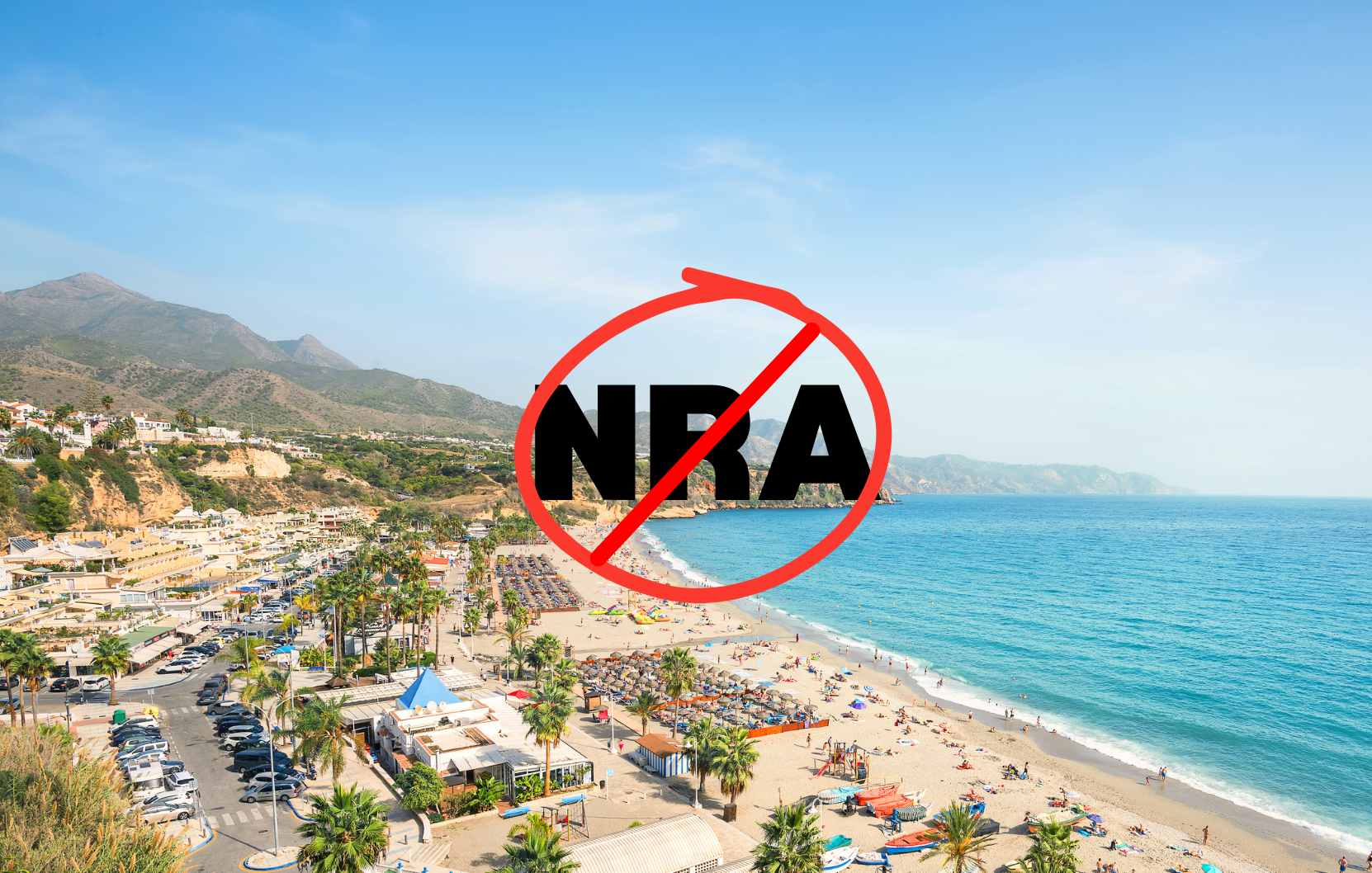
Spain’s Supreme Court Annuls the NRA: What Short Term Landlords Need To Know...
In a major decision issued on 21 May 2026, Spain’s Supreme Court has declared the national short-term rental registration system (NRA) invalid. The ruling, contained in Sentence No. 620/2026, overturns the registration framework introduced under Royal Decree 1312/2024, which had been mandatory for all short-term rental properties across Spain since 1 July 2025. For non-resident property owners and holiday rental investors, the decision represents a significant change to Spain’s rental compliance framework. Below, we explain what the ruling means, what obligations have been removed, and which requirements remain in force.
What Did the Supreme Court Decide?
The Supreme Court ruled that the Spanish central government exceeded its constitutional powers by introducing a national registration system that duplicated the tourist rental registries already managed by Spain’s autonomous communities. In essence, the court confirmed that regulation of tourist rental registrations falls under regional authority rather than national jurisdiction. Because the NRA operated alongside existing regional licensing systems, the court found that the national framework created an unlawful duplication of administrative requirements. As a result, the national NRA registration system has now been annulled.
What Does This Mean for Property Owners & Landlords?
If You Have Not Applied for an NRA
Property owners are no longer required to obtain a national NRA registration number. The obligation to register through the Colegio de Registradores, as well as the requirement to submit annual rental activity declarations linked to the NRA, has effectively been removed following the court’s decision.
If You Already Obtained an NRA
The system under which NRA numbers were issued has now been declared invalid. Property owners who already hold an NRA should wait for further official guidance before considering any legal or administrative action.
However, regional tourist rental licences and registration numbers — such as VFT, VUT, HUT, or their regional equivalents — remain fully valid and continue to be the primary legal reference for short-term rental activity.
Impact on Airbnb and Booking.com Listings
The ruling also affects listings that were suspended or removed from platforms such as Airbnb or Booking.com due solely to the absence of an NRA number. Because the national registration system has been declared invalid, platforms can no longer rely on the NRA as a mandatory legal prerequisite for listing accommodation in Spain. Any suspension or removal based exclusively on the lack of an NRA has therefore lost its legal foundation.
Over the coming months, rental platforms are expected to revise their compliance systems and replace NRA-based verification procedures with checks linked to the regional tourist registration requirements applicable in each autonomous community.
Does This Mean You Can Rent Without Any Registration?
No — and this distinction is critical.
The Supreme Court ruling removes only the national NRA requirement. It does not eliminate regional tourist rental licensing obligations. Spain’s autonomous communities — including Andalucía, Catalonia, the Valencian Community, the Canary Islands, and others — continue to operate their own tourist rental frameworks, and these regional regulations remain fully enforceable. If your property is located in a region that requires a tourist licence or regional registration number, you must still comply with those obligations. The ruling simply removes the additional national layer that had been imposed on top of the existing regional systems.
What Happens Next?
The decision creates a period of uncertainty for Spain’sshort-term rental sector, and several practical questions remain unresolved.
What Happens to Removed Listings?
Airbnb and Booking.com had introduced verification systemsbased on NRA compliance as part of their internal operational procedures.
Following the Supreme Court ruling, those systems no longer have a valid legal basis. Platforms will therefore need to redesign their verification processes to align with the regional tourism registries applicable within each autonomous community. At present, there is no standardised process for restoring or reviewing listings that were previously removed under the NRA framework. The approach taken will likely depend on each platform’s individual compliance policy over the coming months.
What Is the Position of the European Union?
Additional context comes from the European Commission’s February 2026 resolution, which opposed duplicate registration systems and established a 20 May deadline for resolving overlapping regulatory frameworks. The Supreme Court’s ruling may therefore be viewed as Spain’s response to those concerns by eliminating the duplication created by the national NRA system.
Ongoing Updates
As the regulatory situation continues to evolve, further clarification is expected from both the Spanish authorities and major rental platforms. We will continue monitoring developments closely and will provide updates, guidance, and practical advice through our blog and social media channels as additional information becomes available.
FREQUENTLY ASKED QUESTIONS
Do I still need a licence to rent my property in Spain?
YES. The ruling only removes the national NRA registration requirement. Regional tourist rental licences and registrations issued by autonomous communities remain mandatory in many parts of Spain.
Are Regional and Municipal Rules Still Mandatory?
YES. You must still hold a valid regional tourist or rental license (e.g., VFT or VUT) issued by your Autonomous Community & approval from the local community of owners (homeowners' association). If you are using platforms like Airbnb or Booking.com, they will no longer require the national NRA code to list your property (pending updates to their software), but you must keep up your legal guest reporting to the Guardia Civil or Policia Nacional.
Is Guest Check-in Documental Registration (SES.HOSPEDAJES)Still Mandatory?
What it is: A national security measure managed by the Ministry of the Interior to track guest arrivals and stays for public safety.
YES: This was untouched by the Supreme Court ruling.
What this means for you: You are legally required to register all guest details within 24 hours of check-in using the Ministerio del Interior SES.HOSPEDAJES platform. (You will use your existing regional license number, such as a VFT, to do this).
Do I still need to file Modelo 210 for rental income?
YES. Tax obligations are completely separate from the tourist rental registration framework. Non-resident owners must still declare rental income through Modelo 210 where applicable.
Are previous Modelo 210 filings affected by this ruling?
NO. Rental income tax declarations are governed by separate tax legislation and are unaffected by the Supreme Court’s decision regarding the NRA system.
Latest market trends, investments, and property developments in the Iberian Peninsula
Feel free to call us from
Mon - Fri (9:00 - 18:00 CET).
Our team will be happy to help answer your questions that you may have.
.png)






.png)