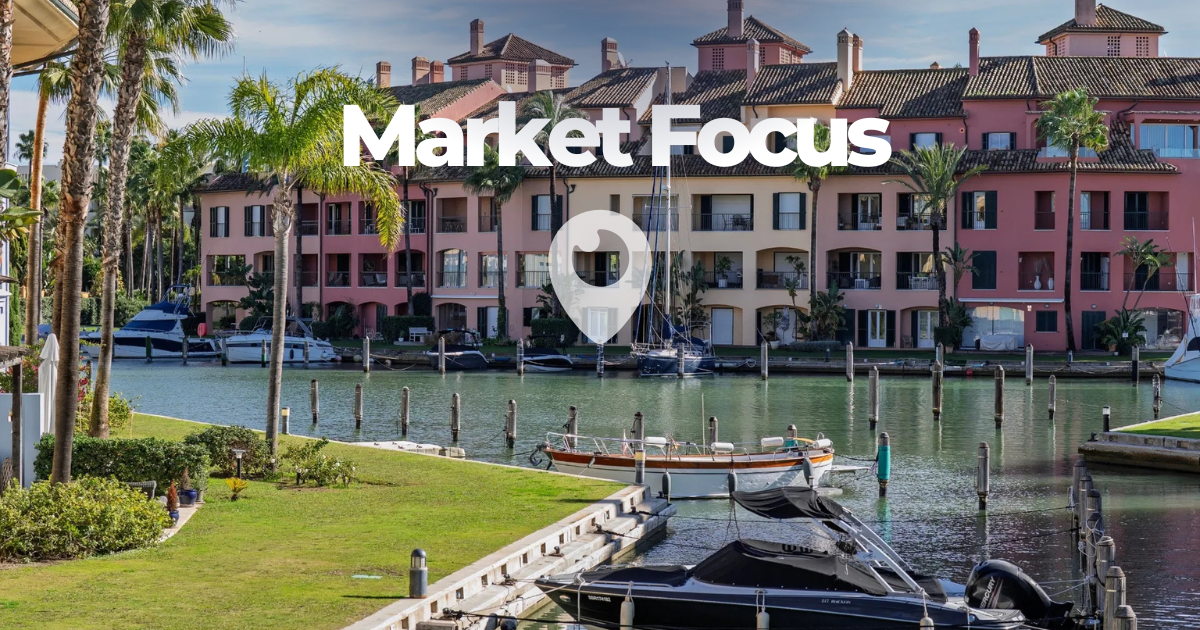
Sotogrande Short-Term Rentals: Strong Returns & Growth in 2026
Discover why Sotogrande and San Roque are emerging as strong short-term rental investment markets, with growing demand, premium rents, golf, polo and marina tourism.


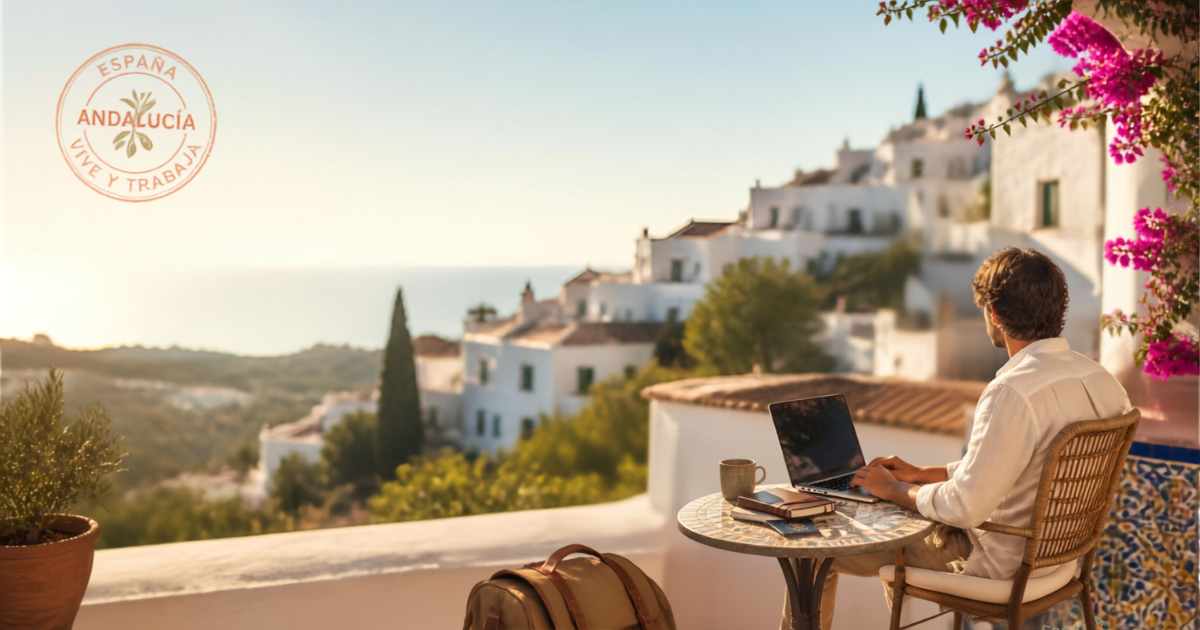
Spain’s Digital Nomad Visa has become one of the country’s most influential residency programmes since its introduction in 2023. Designed to attract skilled professionals who work remotely for overseas employers or clients, the visa has encouraged thousands of international workers to relocate to Spain while continuing their careers online.
For Andalucía—and particularly the Costa del Sol—the programme is creating exciting opportunities for property owners, investors and property management companies. While traditional tourism remains exceptionally strong, the growing digital nomad community is driving demand for high-quality medium-term accommodation and changing the dynamics of the rental market.
Few places in Europe can match Andalucía’s combination of climate, lifestyle and affordability. Remote professionals are attracted by:
The Costa del Sol has become one of Spain’s leading destinations for location-independent professionals, particularly in towns such as Málaga, Estepona, Marbella, Fuengirola and Benalmádena. The regional government is also encouraging smaller municipalities to develop infrastructure and certification programmes aimed at attracting digital nomads, helping spread economic benefits beyond the main coastal cities.
The Digital Nomad Visa allows qualifying non-EU citizens to legally live and work remotely from Spain while employed by companies located outside Spain or operating as freelancers with predominantly international clients. Applicants must generally demonstrate:
The visa offers an attractive route to residency for professionals seeking long-term stability while enjoying Spain’s exceptional quality of life. By 2026, the programme has matured and become a well-established pathway for international remote workers.
Unlike holidaymakers, digital nomads typically remain in one location for several months rather than a few days or weeks. Many prefer rentals lasting:
This has created a rapidly growing market between traditional holiday lets and long-term residential rentals. These guests often seek properties that include:
For landlords, this represents an opportunity to achieve consistent occupancy while reducing the operational demands associated with frequent holiday guest turnovers.
Medium-term digital nomad rentals offer several advantages.
Compared with short-term holiday lets, fewer guest changeovers mean reduced cleaning, laundry and maintenance costs.
Digital nomads often stay for several months, reducing vacancy periods and providing more predictable cash flow.
Many remote professionals are employed in technology, finance, marketing, consulting or creative industries and are attracted to well-presented, fully furnished accommodation.
Traditional tourism can vary significantly between summer and winter. Digital nomads often choose to relocate during quieter months, helping property owners generate income throughout the year.
One of the biggest trends emerging across Andalucía is the expansion of the mid-term rental sector. Demand is coming from:
For many investors, maintaining a flexible strategy that combines holiday rentals during peak tourism periods with medium-term rentals during quieter months can maximise annual occupancy and income.
Today’s remote worker expects more than simply a comfortable apartment. Successful rental properties increasingly include:
These features improve guest satisfaction while allowing owners to command higher rental rates.
The popularity of remote working is also influencing property demand. Apartments and villas that offer: reliable broadband, generous living space, private terraces, shared amenities and convenient access to cafés, supermarkets and transport are increasingly attractive to both investors and owner-occupiers. As demand grows for lifestyle-focused properties, many areas acrossthe Costa del Sol continue to see strong investment activity.
The increasing popularity of digital nomad living also presents challenges. Some areas have experienced pressure on local housing supply as more properties are directed toward higher-yield rental markets. Research focused on Málaga highlights how strategies to attract digital nomads have contributed to increased demand in already competitive housing markets, illustrating the importance of balancing economic growth with housing affordability.
Property owners should also remain aware of evolving regional regulations affecting holiday and residential rentals, ensuring they stay compliant as legislation develops. Recent legal changes have reinforced Andalucía’s role in regulating tourist accommodation within the region.
Looking ahead to 2027 and beyond, several trends appear likely:
Rather than replacing traditional tourism, digital nomads are adding another valuable layer to Andalucía’s rental economy.
The Digital Nomad Visa has introduced a new category of resident who blends work, travel and lifestyle. For Andalucía, this represents a significant opportunity to diversify its rental market beyond seasonal tourism. Property owners who invest in high-quality furnishings, reliable technology, flexible rental strategies and professional property management are well positioned to benefit from this growing demand.
As remote working becomes a permanent feature of the global economy, digital nomads are likely to remain an important driver of rental demand across the Costa del Sol and wider Andalucía for many years to come.
Latest market trends, investments, and property developments in the Iberian Peninsula
Feel free to call us from
Mon - Fri (9:00 - 18:00 CET).
Our team will be happy to help answer your questions that you may have.


.png)
.png)