
Casares Short-Term Rentals: Investment & Rental Growth 2027 And Beyond
Discover why Casares Costa, Doña Julia and the surrounding golf resorts are becoming attractive short-term rental investment locations on the Costa del Sol.


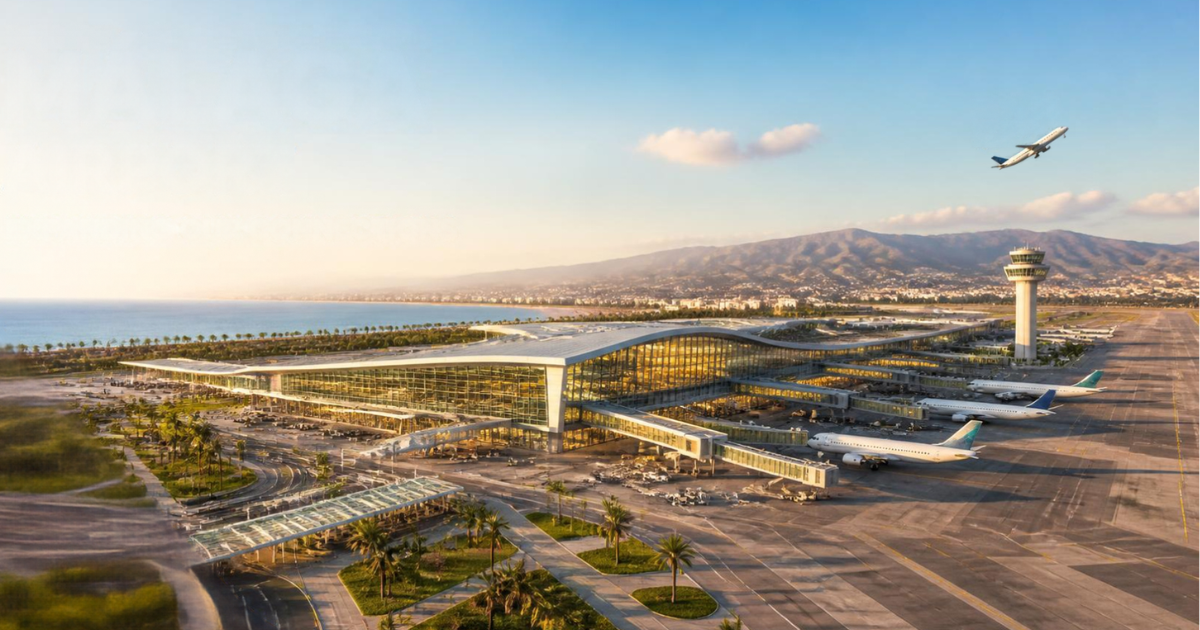
Málaga-Costa del Sol Airport is entering a major new phase of expansion after the Spanish Government approved Aena’s DORA III investment programme for 2027–2031, with around €830 million allocated to the airport over the next five years.
The investment forms part of an almost €13 billion programme across Aena’s Spanish airport network, with Andalucía receiving approximately €1.267 billion. Málaga is by far the largest recipient in the region, reflecting the airport’s growing importance to tourism, business, international connectivity and the wider Costa del Sol economy.
Major expansion for one of Spain’s fastest-growing airports
The €830 million investment will support a programme of improvements including the expansion of the terminal area, improvements to passenger processes and facilities, enhanced operational safety and upgrades to aircraft platform infrastructure.
The investment follows several years of exceptional passenger growth at Málaga-Costa del Sol Airport. Aena has previously described the planned transformation as the airport's most ambitious expansion since the opening of Terminal 3 in 2010.
Importantly, the DORA III investment is designed not simply to modernise existing facilities, but to increase the airport's ability to handle future growth in passenger demand while maintaining service quality and operational standards.
Aena's wider expansion project for Málaga has previously been estimated at around €1.5 billion in total, making it one of the most significant infrastructure projects on the Costa del Sol.
Why Málaga Airport is so important to the Costa del Sol
Málaga-Costa del Sol Airport is much more than an international gateway for Málaga city. It provides the principal air connection for a huge area stretching across the Costa del Sol, from the eastern Málaga coastline through Marbella and Estepona and towards Sotogrande and the Campo de Gibraltar. For the region's tourism industry, this connectivity is fundamental.
The airport's continued expansion should help support the Costa del Sol's ability to accommodate increasing numbers of international visitors, while providing airlines with the infrastructure required to develop routes and increase capacity.
This is particularly significant for the property and holiday-rental markets. Easy international access is one of the key factors influencing where overseas buyers choose to purchase property and where tourists choose to stay.
A major boost for tourism and the property market
The €830 million commitment comes at a time when Málaga and the wider Costa del Sol continue to attract strong international interest.
For property owners and investors, airport capacity is an important part of the long-term picture. Increased capacity can support:
The relationship between airport infrastructure and the property market is particularly relevant to short-term and mid-term rental properties. Apartments close to beaches, golf courses, marinas and established tourist destinations can benefit from the ability of visitors to reach the region quickly and conveniently.
Supporting growth beyond Málaga city
The benefits of the investment are likely to extend well beyond Málaga itself. The airport provides access to major destinations including Torremolinos, Benalmádena, Fuengirola, Mijas, Marbella, Estepona, Manilva and Casares, as well as inland areas such as Benahavís.
For the western Costa del Sol in particular, improved airport capacity strengthens the region's position as an international destination for holidays, second homes, golf tourism, luxury travel and longer stays. The investment also comes alongside significant infrastructure and development activity elsewhere in Andalucía. In total, the region's airports are set to receive approximately €1.267 billion under DORAIII, including €235 million for Seville Airport.
Preparing for the next generation of tourism
Aena's wider DORA III programme is intended to prepare Spain's airport network for substantial long-term growth. The approved regulatory framework recognises €9.991 billion of regulated investment across the network between 2027 and 2031, while the wider Aena investment programme is close to €13 billion when commercial investments are included.
The investment programme is also focused on areas such as digitalisation, security, sustainability, passenger services and operational resilience. For Málaga, this means the airport will be evolving alongside the Costa del Sol itself, where tourism is becoming increasingly international and year-round.
What this could mean for 2027 and beyond
The timing of the investment is particularly significant. With the programme running from 2027 to 2031, the coming five years should see substantial improvements to one of the Costa del Sol's most important pieces of infrastructure.
For the region's tourism and property sectors, this provides a strong long-term foundation. Better airport facilities and additional capacity can help the Costa del Sol continue attracting visitors from established European markets while supporting connectivity with increasingly important long-haul markets. For property owners, developers and investors, the airport expansion is another indication of the region's long-term infrastructure investment and its importance to Spain's tourism economy.
A positive long-term signal for the Costa del Sol
The €830 million DORA III allocation represents a major commitment to the future of Málaga-Costa del Sol Airport and the wider Costa del Sol. With the airport already serving as the principal international gateway for the region, expanding its capacity and modernising its facilities should help support the next phase of tourism growth.
Combined with investment in new residential developments, golf resorts, marinas, transport infrastructure and tourism facilities, the airport expansion strengthens the foundations for continued international demand across the Costa del Sol.
For the property market, the message is particularly relevant: connectivity remains one of the region's greatest assets, and substantial investment is now being made to ensure that Málaga Airport can support the Costa del Sol's growth well into the 2030s.
Sources: Aena and the Spanish Government's published DORA III documentation, with supporting reporting from Europa Press.
Latest market trends, investments, and property developments in the Iberian Peninsula
Feel free to call us from
Mon - Fri (9:00 - 18:00 CET).
Our team will be happy to help answer your questions that you may have.



.png)

.png)


